



The identity of Mars Contemporary Art Gallery's "Remember" exhibit
The exhibition is dedicated to mindfulness and its relationship to art. The exhibition occupies four halls divided into many spaces. The path through these halls is a metaphor of a person's life journey. The experience that the visitor lives through should transform his consciousness. The metaphor of the path, which can be both complex and curved, and simple and straight, became the basis for the visual series.


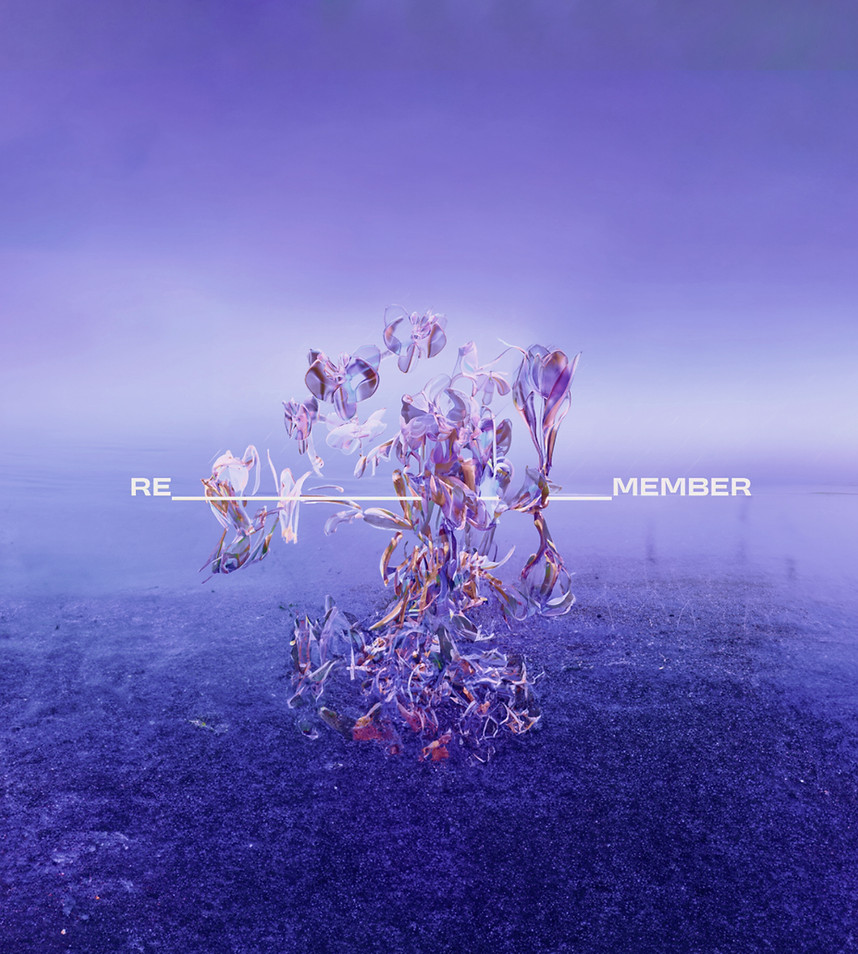
We use a logo with both static and dynamic elements.
• Static elements: The letter parts RE and MEMBER always retain the same shape.
• Dynamic element: The line between the letter parts. It changes shape, symbolizing both the visitor’s journey through the exhibition and their life path.


Additional Logo Elements
• Objects can emerge from the line in the primary logo shape (semantic elements of the exhibition, art objects, or physical 3D objects).
• Frames with photographs and illustrations may extend beyond the format.
• A curved illustrative frame enhances the straight line in the logo.
• The logo can be integrated into illustration space.
Photography Style
1. Portraits against a dark, deep, uniform background 2. Close-up shots of nature elements in a white-gray palette
3. Art objects with accentuated white color on a light gray background 4. Staged portraits with accentuated white elements


Two basic techniques for working with typography:
1. It is used on large areas, such as walls of halls and banners in outdoor advertising - blurring text of different intensity, simulating the dissolution of the wall surface and turning it into a separate space with different plans, where the "closer" to the viewer text looks sharp, and "distant" blurred in the haze.
2. Placing text on a "path" - a dynamic element of the identity. This technique can work both with separate blocks of text, and with separate words, and even letters in a word.
1. It is used on large areas, such as walls of halls and banners in outdoor advertising - blurring text of different intensity, simulating the dissolution of the wall surface and turning it into a separate space with different plans, where the "closer" to the viewer text looks sharp, and "distant" blurred in the haze.
2. Placing text on a "path" - a dynamic element of the identity. This technique can work both with separate blocks of text, and with separate words, and even letters in a word.
In the work we used creative coding as an example of technology in art. Another instance is the use of neural network art - fantasy landscapes and abstract 3d still lifes, executed by guest artists or selected from existing ones in brand colors
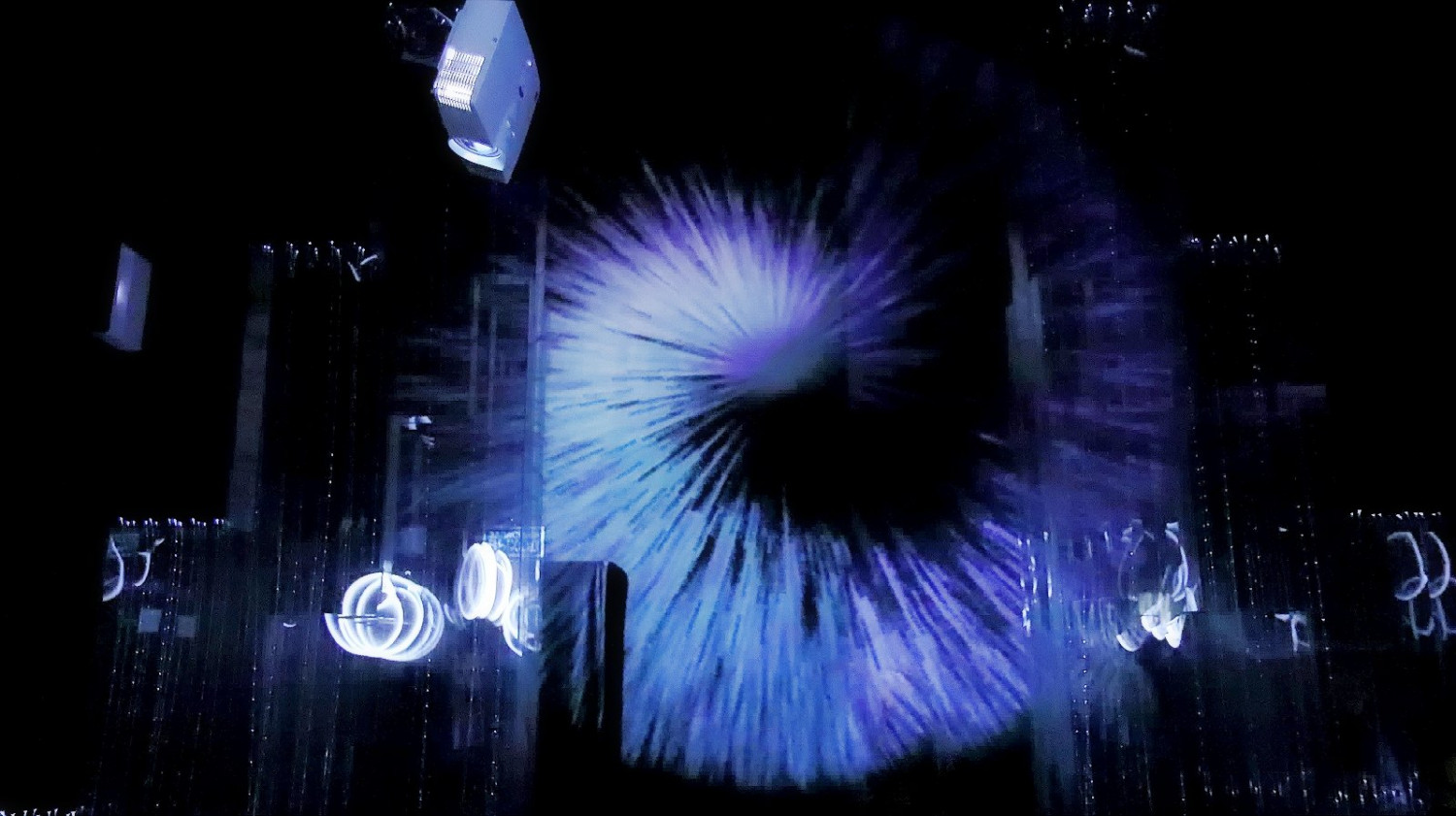
Dynamic typographic projections are created for the room called "Duality". In this space a person experiences the exit from the illusion that the world is divided into white and black sides.
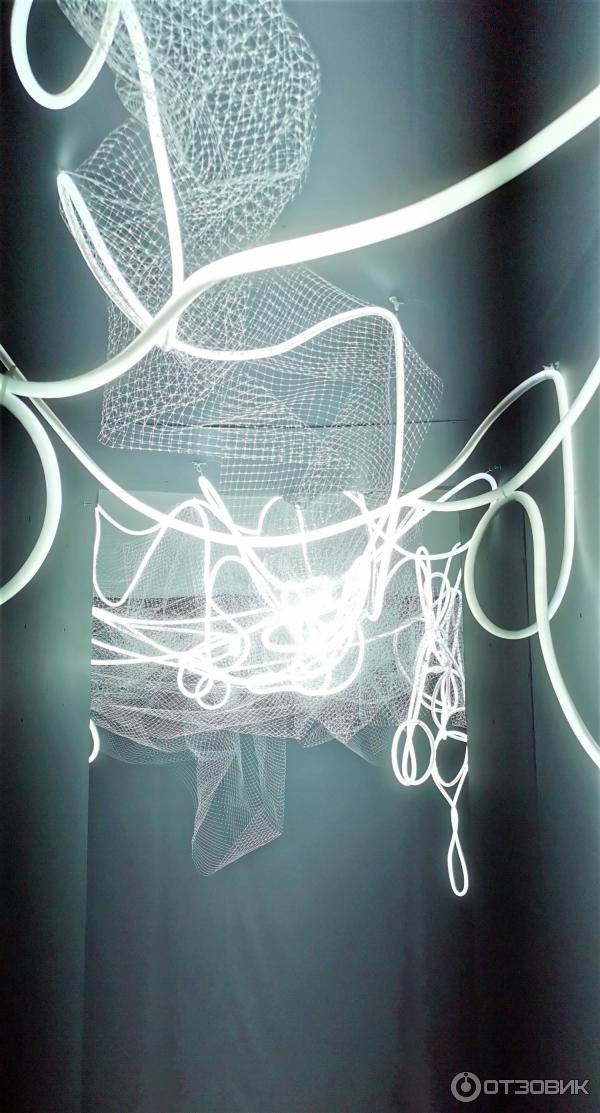
The identity enters the space and becomes the objects of the exhibition. Dynamic projections and typography on the walls fill and enliven the space.


Hopefully, modern art with the use of technology, can break through the wall of blind faith in a totalitarian country, and professionalism can defeat uneducation.
Creative group:
Identity, art direction — Natalia Grebenshchikova
Generative design — Ivan Dianov